November 25, 2026
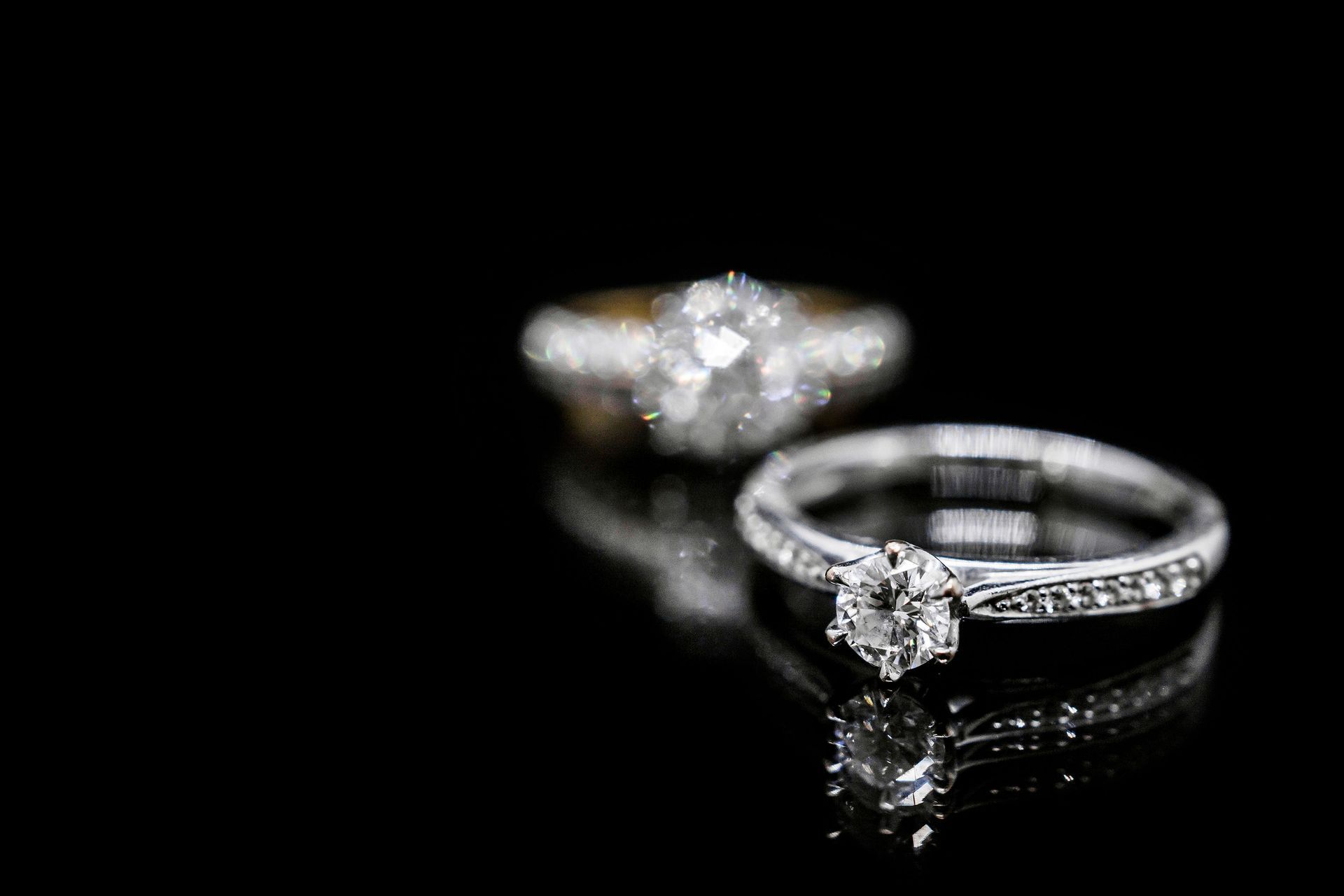
Understanding the elements that maximize light reflection is essential for anyone shopping for diamond engagement rings. Brilliance refers to the amount of white light a diamond reflects back to the viewer's eye, creating the unmistakable sparkle that makes these gems so coveted. While many shoppers focus almost exclusively on size, true optical beauty depends on a harmonious balance between cut quality, carat weight, clarity, color, and setting design. Exploring how each characteristic interacts with light empowers buyers to select diamond engagement rings that deliver enduring beauty and exceptional sparkle.
Mastering the Diamond Cut
Defining Diamond Cut Quality
The cut of a diamond measures how effectively its facets interact with light, making it the single most critical factor in determining visual brilliance. Unlike shape—which simply describes the stone's geometric outline—cut evaluates facet proportions, symmetry, and polish. An ideally cut stone acts like a series of precision mirrors, bouncing light internally and returning nearly all of it through the top of the gem.
Comparing Popular Cut Styles
Different cutting styles produce distinct optical effects and levels of sparkle. The round brilliant cut remains the gold standard for light return, featuring 58 carefully angled facets engineered for maximum fire and scintillation. Fancy shapes—such as princess, cushion, oval, and emerald cuts—offer unique silhouettes and varying light patterns, allowing buyers to match their diamond engagement rings to personal aesthetic preferences.
Selecting Ideal Cut Grades
Poorly cut diamonds allow light to leak out through the bottom or sides, leaving the stone looking dark or lifeless even if it is large. Conversely, stones graded as Excellent or Ideal maximize light dispersion and make the gem appear larger and brighter. Prioritizing cut grade reports from respected gemological laboratories ensures your diamond engagement rings exhibit peak optical performance.
Evaluating Carat Weight
Understanding Carat Measurements
Carat weight measures a diamond's physical mass rather than its visual dimensions, with one carat equaling 200 milligrams. While higher carat weights command higher prices due to rarity, a heavier diamond will not automatically outshine a smaller stone. Evaluating carat weight alongside cut proportions ensures you pay for visible beauty rather than hidden weight trapped beneath the girdle.
Balancing Size and Sparkle
A smaller diamond with superior cut proportions will consistently outshine a larger, poorly cut stone. Many savvy shoppers choose slightly lower carat weights—such as 0.90 carats instead of a full 1.00 carat—to secure higher cut and color grades while achieving nearly identical visual size. Striking this balance yields brighter diamond engagement rings without exceeding budget limits.
Avoiding Carat Weight Pitfalls
Focusing exclusively on carat size while neglecting cut, clarity, or setting durability often leads to disappointing visual results. According to Mordor Intelligence, rings accounted for 33.02% of the gems and jewelry market's revenue in 2025, underscoring how vital it is to invest in well-rounded quality rather than size alone. Pairing balanced proportions with a supportive setting protects the stone and enhances its overall presence on the hand.
Assessing Diamond Clarity
Interpreting Clarity Grades
Clarity evaluates the presence of internal inclusions and external blemishes on a scale ranging from Flawless (FL) to Included (I3). Gemologists assess the size, position, and visibility of these natural characteristics under 10x magnification. Because every natural diamond forms under intense geological pressure, microscopic inclusions are common and rarely visible to the unaided eye.
Understanding How Inclusions Effect Light
Large or poorly positioned inclusions act as physical barriers inside the crystal structure, scattering light rays before they can reflect back to the viewer. Stones with fewer internal obstructions allow light to travel freely between facets, producing cleaner, sharper flashes of brilliance. Checking where inclusions sit—especially avoiding flaws directly beneath the center table—preserves optical clarity.
Choosing Eye-Clean Clarity Value
Paying a steep premium for Flawless clarity is unnecessary when Slightly Included (VS1, VS2, or clean SI1) stones appear identical to the naked eye. Selecting an "eye-clean" grade frees up budget to invest in superior cut quality, which contributes far more to visible sparkle in diamond engagement rings.
Selecting Diamond Color
Navigating the Color Scale
The standard diamond color scale runs from D (completely colorless) to Z (noticeable light yellow or brown tint). Colorless diamonds in the D–F range allow light to pass through without color distortion, producing crisp, icy brilliance. Near-colorless grades in the G–I range offer exceptional value, appearing bright white once mounted in a ring.
Evaluating Fluorescence Effects
Fluorescence describes the soft glow—usually blue—that some diamonds emit when exposed to ultraviolet light. Faint or medium blue fluorescence can actually help diamonds with slight warm tints appear whiter in natural daylight. However, very strong fluorescence may occasionally give a stone a hazy appearance, making visual inspection under varied lighting essential before finalizing diamond engagement rings.
Pairing Color with Precious Metals
The surrounding metal strongly influences how white a diamond appears on the finger. Platinum and white gold settings complement colorless D–F stones, reinforcing their cool, bright luster. Conversely, warm yellow or rose gold bands naturally mask faint warmth in G–J grades, allowing buyers to select lower color grades while maintaining radiant diamond engagement rings.
Choosing the Right Setting
Comparing Prong and Bezel Settings
A ring's setting determines both stone security and how much ambient light enters the diamond. Classic prong settings lift the center stone above the band with minimal metal coverage, allowing light to enter from multiple angles for maximum brilliance. Bezel settings wrap a sleek metal rim around the diamond's perimeter, offering superior protection for active lifestyles while trading a small amount of side-light exposure for modern elegance.
Amplifying Sparkle with Halo and Pavé Designs
Setting styles incorporating accent stones dramatically increase overall light return. Halo settings encircle the center diamond with a ring of smaller pavé stones, creating an illusion of greater surface area and multiplying reflections. Similarly, pavé or channel-set bands add continuous shimmer along the shank, elevating the visual impact of diamond engagement rings from every viewing angle.
Customizing Settings for Light Performance
Working with a skilled jeweler to customize gallery height, prong thickness, and under-gallery openings optimizes light entry beneath the stone. Open basket designs prevent metal from blocking light paths, ensuring bespoke diamond engagement rings capture and reflect light effortlessly throughout the day.
Maintaining Long-Term Brilliance
Practicing Regular Home Cleaning
Even the finest diamond loses its luster when coated in everyday lotions, skin oils, and household residue. Soaking the ring weekly in warm water with a few drops of mild dish soap and gently brushing behind the setting with a soft toothbrush restores immediate sparkle. Consistent home care keeps diamond engagement rings looking freshly polished between professional visits.
Scheduling Professional Inspections
Routine jeweler checkups protect both optical brilliance and structural security. Professionals use ultrasonic cleaners to remove stubborn buildup and inspect prongs under magnification to catch worn or bent metal before a stone loosens. Annual maintenance ensures diamond engagement rings remain secure and radiant for decades.
Adopting Safe Daily Habits
Removing rings during heavy lifting, gardening, swimming in chlorinated pools, or applying harsh cleaning chemicals prevents accidental chips and metal tarnishing. Storing pieces individually in fabric-lined compartments also protects neighboring jewelry from scratches. Thoughtful daily care preserves the structural integrity and dazzling brilliance of your ring for a lifetime.
True diamond brilliance is never the result of a single specification—it emerges from the synergy between precision cutting, balanced carat proportions, eye-clean clarity, complementary color, and a light-enhancing setting. By prioritizing cut quality first and pairing it with smart choices across the remaining characteristics, shoppers can maximize visual sparkle within any budget. Armed with a clear understanding of how light interacts with each element—and committed to simple, ongoing care—you can confidently choose diamond engagement rings that captivate the eye for generations to come. Call Kingoff's Jewelers today to get started.